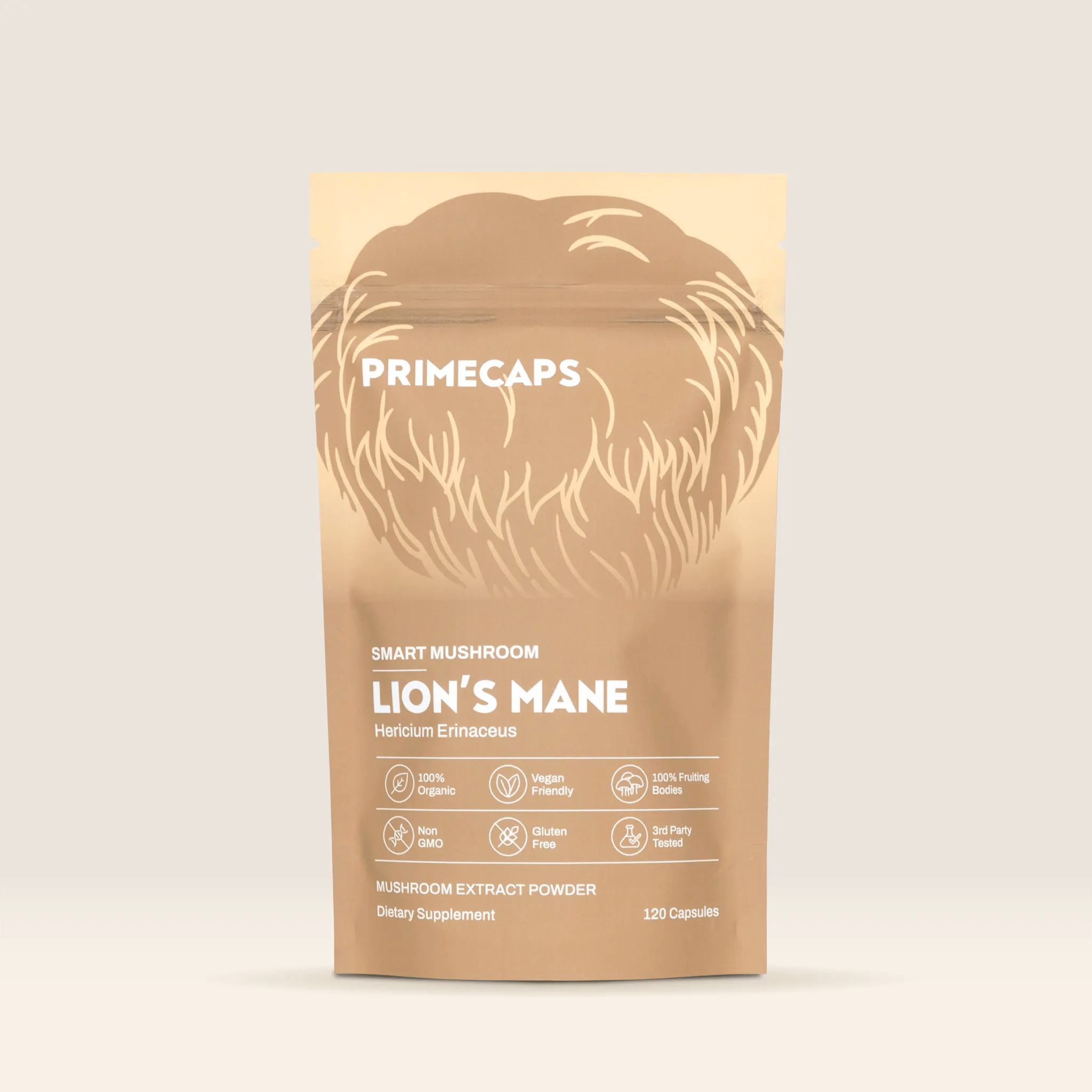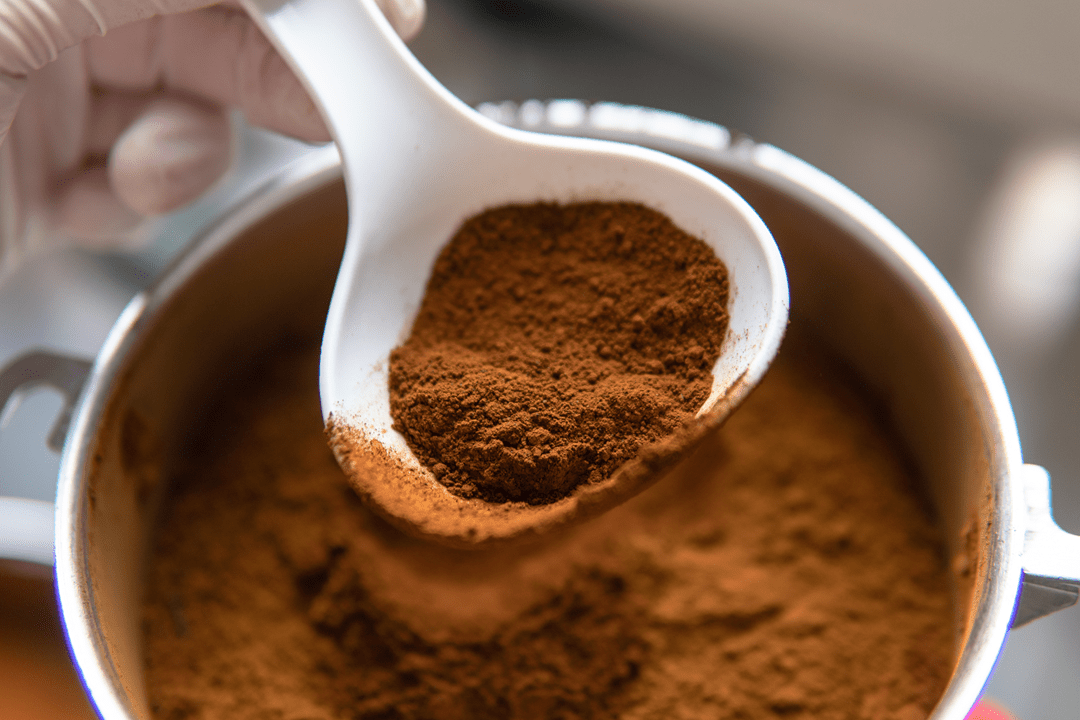
Functional mushrooms are becoming increasingly popular, but not all mushroom supplements are the same. One of the most important differences is between dried mushroom powder and mushroom extract powder.
While both come from the same source, the way they are processed can significantly affect their potency, absorption, and overall effectiveness.
In this article, we’ll break down the key differences, including benefits, limitations, and how to choose the right option.
What Is Dried Mushroom Powder?
Dried mushroom powder is made by simply drying and grinding whole mushrooms into a fine powder.
This form is the most natural and minimally processed.
Pros of dried mushroom powder:
- Contains the full mushroom in its natural form
- Includes a wide range of compounds (fiber, polysaccharides, micronutrients)
- Less processed
- Often more affordable
Cons:
- Low concentration of active compounds
- Harder for the body to absorb (due to chitin cell walls)
- Requires larger doses to achieve noticeable effects
- Active compounds like beta-glucans are often not standardized or measured
Important: Mushrooms naturally contain chitin, a tough cell wall structure that humans cannot easily digest. Without extraction, many beneficial compounds remain locked inside the cell walls.
What Is Mushroom Extract Powder?
Mushroom extracts are made using water, alcohol, or dual extraction methods to break down the mushroom’s cell walls and concentrate the active compounds.
This process allows key compounds to become more bioavailable and measurable.
Pros of extracts:
- Higher concentration of active compounds (e.g. beta-glucans)
- Better absorption in the body
- Lower dosage needed for similar or stronger effects
- Standardized and measurable content
- Targets specific functional benefits
Cons:
- More processed than raw powder
- Quality varies depending on extraction method
- Can be more expensive
- “Extract” label alone does not guarantee quality
Why Extraction Matters
The main difference comes down to bioavailability.
- In dried mushroom powder, beneficial compounds are present, but often trapped inside cell walls
- In extracts, these compounds are released and concentrated
Without proper extraction, the body may not effectively utilize these compounds.
Active Compounds and Concentration
The difference between powder and extract is not only theoretical — it is measurable.
Typical ranges:
-
Dried mushroom powder:
~2–8% beta-glucans (often not standardized) -
Good extract:
~20% beta-glucans -
High-quality / strong extract:
~30–50% beta-glucans
This means that 0.5–1 g of a strong extract may deliver a similar amount of active compounds as 10-20 g of dried mushroom powder, when comparing only concentration. When also considering bioavailability, the real difference may be even greater.
Consistency and Quality
Another important difference is consistency.
With dried mushrooms:
- each fruiting body naturally varies
- active compound levels are not consistent batch to batch
- mixing powders does not guarantee uniform distribution
With high-quality extracts:
- production follows controlled extraction processes
- active compounds are measured and standardized
- consistency is significantly higher
This makes extracts more reliable for achieving predictable results.
What Defines Quality?
Not all powders or extracts are equal.
Good dried mushroom powder:
- made from 100% fruiting bodies
- clean organic raw material
- properly dried and stored
- no fillers or added starch
Good extract:
- made from fruiting bodies
- uses proper extraction (water or dual extraction)
- contains measured beta-glucans (~20%)
- basic quality control
High-quality (excellent) extract:
- high beta-glucan content (30–50%)
- standardized and tested (e.g. COA – Certificate of Analysis)
- transparent labeling of active compounds
- controlled extraction process
- consistent from batch to batch
Important: The word “extract” alone does not guarantee quality.
Which One Should You Choose?
Both forms have their place.
Choose dried mushroom powder if:
- you want a whole-food approach
- you use mushrooms as part of cooking or nutrition
- you are consuming larger amounts (5–20 g per serving)
Choose mushroom extract if:
- you want targeted functional benefits
- you care about potency and absorption
- you want consistent and measurable results
Conclusion
Dried mushroom powders and extracts are not the same.
While dried mushrooms contain beneficial compounds, their low concentration and limited absorption mean they may not deliver the effects people expect.
If your goal is to experience the functional benefits often associated with mushrooms, high-quality extracts are generally the more effective option.
However, quality matters. Understanding:
- what active compounds are included
- how much of them are present
- and what dosage is appropriate
is essential when choosing a mushroom supplement.
See here for more about quality differences.