Why Functional Mushrooms Are Becoming More Popular?
Functional mushrooms have been used for centuries in traditional wellness systems across Asia and Europe. Today they are becoming increasingly popular as natural supplements that support different aspects of health, from cognitive function to immune balance and physical performance.
Unlike culinary mushrooms that are mainly used for nutrition, functional mushrooms are valued for their bioactive compounds and their ability to support the body’s natural systems.
This guide explores the most popular functional mushrooms and how they may support overall wellbeing.
What Are Functional Mushrooms?
Functional mushrooms are species that contain natural compounds associated with supporting different physiological functions in the body.
These mushrooms are often rich in:
- beta-glucans
- polysaccharides
- antioxidants
- adaptogenic compounds
Because of their unique composition, functional mushrooms are commonly used to support areas such as:
- cognitive health
- immune system balance
- energy and endurance
- metabolic health
- stress management
Most modern supplements use concentrated mushroom extracts, allowing people to include these mushrooms easily in their daily routines.
The Most Popular Functional Mushrooms
Below are some of the most well-known functional mushrooms and their traditional roles.
Lion’s Mane – The Brain Support Mushroom
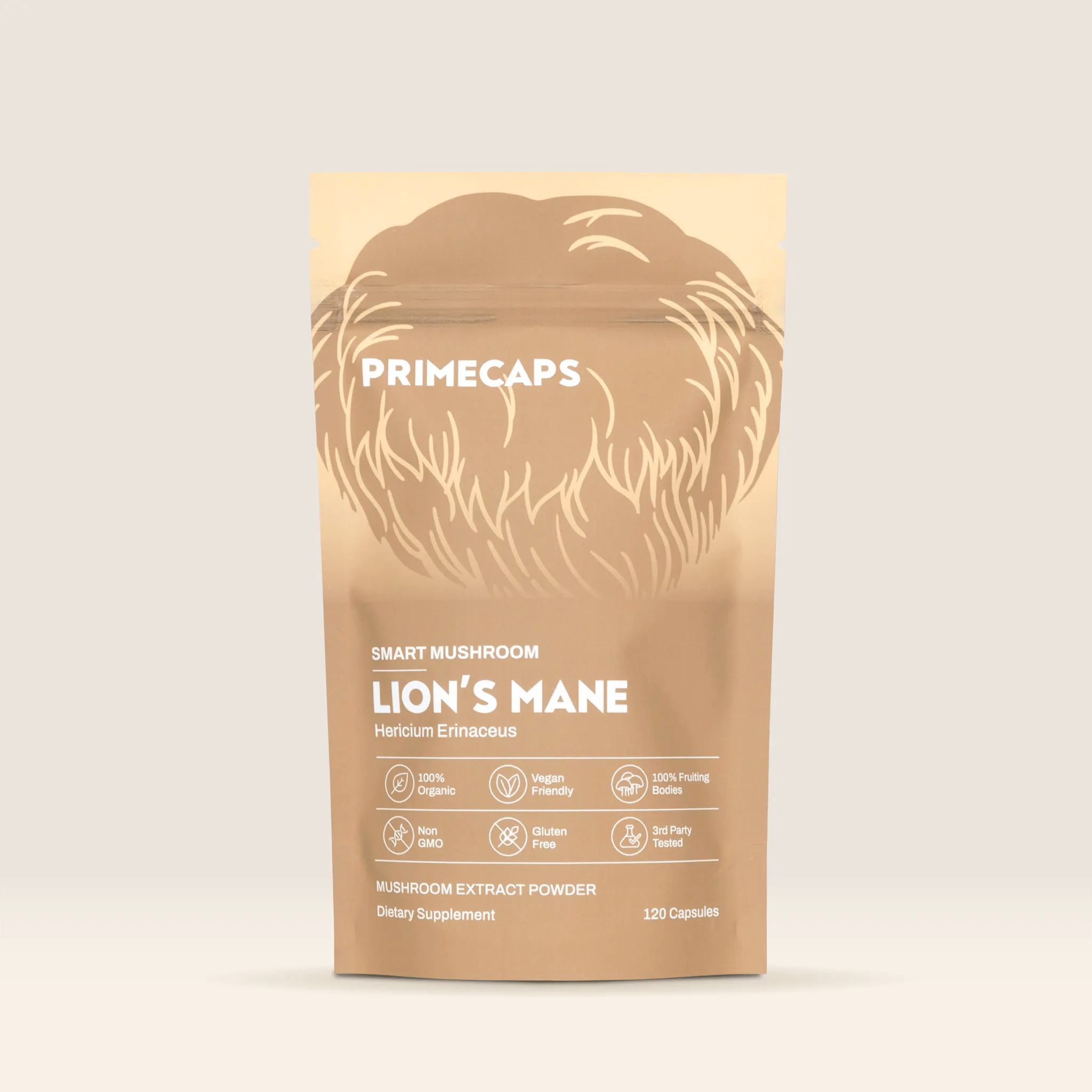
Lion’s Mane (Hericium erinaceus) is one of the most recognised functional mushrooms associated with cognitive health.
This mushroom contains compounds called hericenones and erinacines, which are studied for their relationship with nerve growth factor (NGF), a protein involved in maintaining healthy neurons.
Lion’s Mane is commonly associated with:
- focus and mental clarity
- memory support
- cognitive performance
- brain health
You can learn more in our guide to Lion’s Mane mushroom benefits.
Reishi – The Mushroom of Calm
Reishi (Ganoderma lucidum) has a long history in traditional wellness practices and is often associated with relaxation and balance.
Reishi contains triterpenes and beta-glucans that are studied for their role in immune system activity and stress response.
Reishi is commonly linked to:
- stress balance
- relaxation
- sleep support
- immune health
Learn more about Reishi mushroom benefits and how it supports calm and balance.
Cordyceps – The Performance Mushroom
Cordyceps mushrooms are widely associated with energy and endurance.
They contain compounds such as cordycepin, which are studied for their relationship with cellular energy production and oxygen utilisation.
Cordyceps supplements are commonly used by:
- athletes
- active individuals
- people seeking natural energy support
Modern supplements typically use Cordyceps militaris, which provides consistent levels of key bioactive compounds.
Read more about Cordyceps mushroom benefits and the difference between Cordyceps sinensis and militaris.
Maitake – The Vitality Mushroom
Maitake (Grifola frondosa) is a functional mushroom traditionally associated with vitality and metabolic health.
Maitake naturally contains beta-glucans and antioxidants that are studied for their role in immune and metabolic balance.
Maitake is commonly linked to:
- metabolic support
- immune health
- overall vitality
Explore the full article on Maitake mushroom benefits.
Chaga – The Antioxidant Mushroom
Chaga (Inonotus obliquus) grows primarily on birch trees in northern forests and is known for its extremely high antioxidant content.
This mushroom has traditionally been consumed as a tea or tonic.
Chaga is commonly associated with:
- antioxidant support
- immune system balance
- cellular protection
Learn more in our guide to Chaga mushroom benefits.
Turkey Tail – The Immunity Mushroom
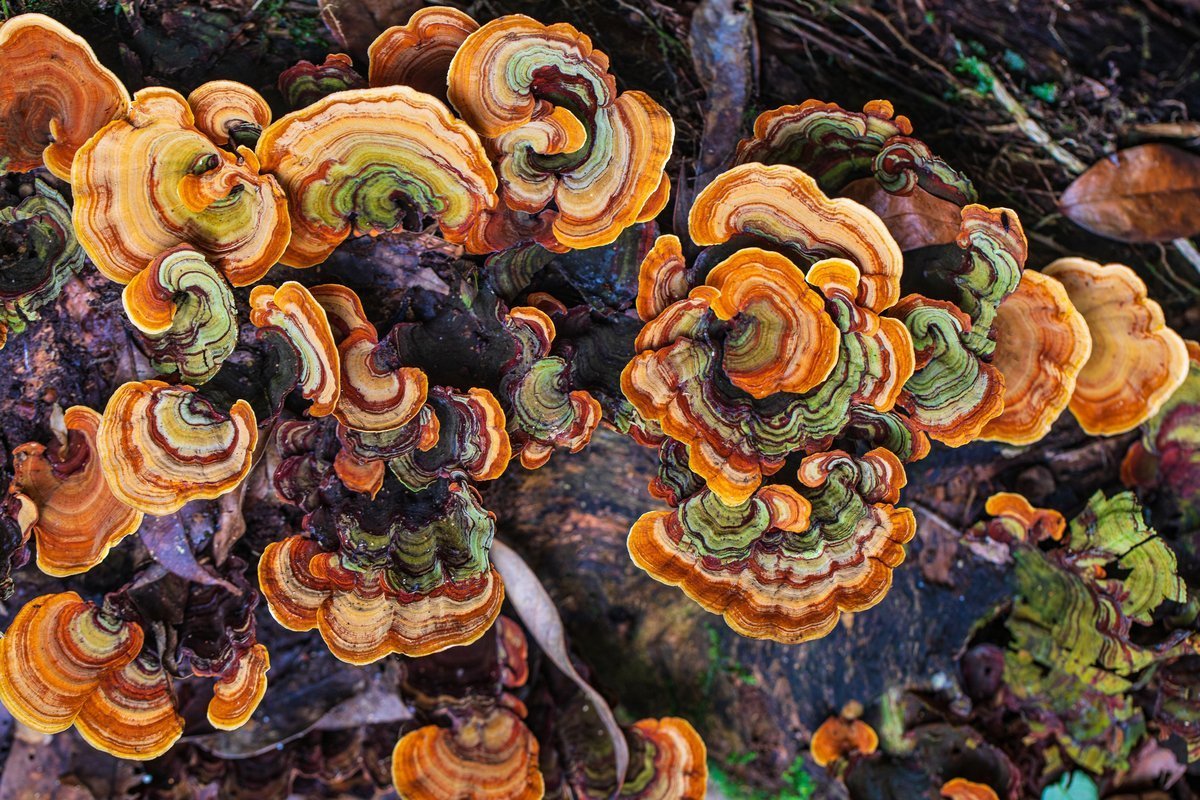
Turkey Tail (Trametes versicolor) is one of the most researched functional mushrooms.
It contains natural compounds known as polysaccharopeptides, which are studied for their relationship with immune system activity.
Turkey Tail is commonly linked to:
- immune system support
- gut microbiome balance
- overall resilience
Discover more about Turkey Tail mushroom benefits.
How Functional Mushrooms Work
Functional mushrooms contain compounds that support the body's natural processes rather than acting like stimulants.
Many mushrooms contain beta-glucans, which are studied for their interaction with immune cells.
Others contain compounds that may support:
- nerve health
- metabolic balance
- energy production
- antioxidant protection
Because these effects are associated with long-term physiological processes, functional mushrooms are typically used consistently over time.
How to Choose High-Quality Mushroom Supplements
Not all mushroom supplements are the same. The quality of a product can vary depending on how the mushrooms are grown, processed and extracted.
High-quality mushroom supplements typically:
- use the fruiting body of the mushroom rather than mycelium grown on grain
- contain measurable levels of beta-glucans, one of the key beneficial compounds
- avoid unnecessary fillers or additives
- use carefully controlled extraction methods to preserve active compounds
Choosing well-sourced extracts helps ensure consistency, purity and reliable quality.
For those interested in understanding how PRIMECAPS manufacturers approach mushroom quality standards explore an example explanation of quality principles.
How to Add Functional Mushrooms to Your Routine
Functional mushrooms can be taken in several forms, including:
- capsules
- powders
- extracts
- teas
Many people incorporate functional mushrooms into their daily wellness routines depending on their goals.
For example:
Morning support: Lion’s Mane or Cordyceps
Evening balance: Reishi
Daily immune support: Turkey Tail, Chaga or Maitake
When choosing a dosage, it is important to understand what the product actually contains. The concentration of active compounds can vary significantly between different supplements.
For example:
- A mushroom extract with around 40% beta-glucans is considered a high-potency extract. In such cases, the recommended starting dose may be around one capsule (approximately 400 mg) per day.
- If a product contains around 20% beta-glucans, a higher amount may be needed to reach a similar intake of active compounds.
- Products labelled with 20% polysaccharides do not necessarily indicate beta-glucan content. In some cases, the actual level of beta-glucans may be much lower, making the effective dosage more difficult to determine.
Capsule extracts are often preferred because the compounds are already concentrated and easier to measure. This usually means a smaller amount is needed compared with loose mushroom powders mixed into food or drinks.
Consistency is generally recommended when using functional mushrooms, as their benefits are often associated with gradual and long-term use.
Some mushrooms may also be used in cycles or with occasional breaks. For example, mushrooms such as Cordyceps, Chaga or Turkey Tail are sometimes taken periodically, depending on individual routines and product recommendations. Always pay attention to the dosage guidance provided with the product.
Final Thoughts
Functional mushrooms have gained global attention as natural supplements that support different aspects of health.
From cognitive support and stress balance to immune health and vitality, these mushrooms offer a diverse range of potential benefits.
By understanding how different mushrooms work and choosing high-quality extracts, it is possible to build a wellness routine that supports both mental and physical wellbeing.