


What Are Functional Mushrooms?
Functional mushrooms are mushrooms valued primarily for their bioactive compounds that support specific functions in the body. Unlike culinary mushrooms, which are mainly used as food, functional mushrooms have traditionally been used to support energy, focus, stress balance, immune health, and overall resilience.
In some cases, functional mushrooms are also enjoyed as food — species such as Lion’s Mane, Maitake, and Shiitake are used both culinarily and for their wellness-supporting properties.
Functional mushrooms have been part of wellness traditions across Asia and Europe for centuries, valued for their natural compounds that help support balance, vitality, and long-term resilience. Today, modern science has identified specific bioactive compounds within each mushroom — including beta-glucans, antioxidants, and adaptogenic substances — helping explain why different species offer different effects in the body.
Not all mushrooms are functional, and not all functional mushrooms work in the same way. Each species contains a unique profile of compounds, which is why different mushrooms are associated with different benefits.
What do functional mushrooms do in the body?
Functional mushrooms work by supporting the body’s natural systems rather than forcing short-term effects. Their benefits come from bioactive compounds that interact with the immune system, nervous system, metabolism, and stress response.
Rather than acting like stimulants or quick fixes, functional mushrooms are best understood as supportive adaptogens — helping the body respond more effectively to everyday physical and mental demands.
How functional mushrooms support wellbeing
Different functional mushrooms support the body in different ways, but their effects generally fall into a few key areas:

Cognitive support
Certain mushrooms are associated with focus, memory, and mental clarity by supporting healthy brain function and nervous system balance.

Stress and resilience
Adaptogenic compounds help the body adapt to physical and mental stress, supporting calm energy rather than overstimulation.

Immune system support
Many functional mushrooms contain beta-glucans that support immune regulation — helping the body respond appropriately, not aggressively.

Energy and vitality
Some species are traditionally used to support physical endurance, metabolic efficiency, and sustained energy without crashes.

Whole-body balance
Rather than targeting one isolated symptom, functional mushrooms work across systems to support long-term balance and resilience.
Why different mushrooms have different effects
Each functional mushroom species contains a unique combination of compounds. This is why one mushroom may be associated with mental focus, while another is better known for immune or stress support.
Understanding which mushroom supports which function is key — and choosing the right species matters more than simply taking “any mushroom supplement.”
Key functional mushrooms and their traditional uses
While all functional mushrooms support overall wellbeing, each species is known for supporting the body in a slightly different way. This is why choosing the right mushroom matters more than taking a generic blend.
Below are some of the most widely used functional mushrooms and what they are traditionally associated with.

# Lion's Mane
Valued for its ability to spark mental clarity, enhance memory, and promote nerve regeneration — a true brain ally.
What It Supports
– Cognitive performance
– Memory and focus
– Mood balance
– Nerve regeneration and long-term brain health
Why It Works
Lion’s Mane contains unique compounds — hericenones and erinacines — which have been shown to stimulate NGF (Nerve Growth Factor), supporting neuroplasticity and overall cognitive function.

# Reishi
Traditionally known for restoring inner calm, supporting deep sleep, and balancing the immune system through periods of stress.
What It Supports
– Inner calm and emotional balance
– Deeper, more restorative sleep
– Stress reduction and relaxation
– Immune system harmony and long-term resilience
Why It Works
Reishi is rich in triterpenes and beta-glucans, compounds known to support the body’s stress response, calm the nervous system, and modulate immune function. These active components help promote relaxation, reduce cortisol load, and support overall wellbeing during periods of physical or emotional stress.

# Maitake
Appreciated for aiding metabolic function, balancing blood sugar, and supporting immune defenses.
What It Supports
– Healthy metabolic function
– Balanced blood sugar levels
– Gut and digestive support
– Immune system strength and resilience
Why It Works
Maitake contains powerful D-fraction beta-glucans known for supporting metabolic balance, immune activation, and healthy blood sugar regulation. Its unique polysaccharides help the body respond to stressors, maintain stable energy, and reinforce natural defenses.

# Turkey Tail
Renowned for nurturing the gut microbiome and strengthening immunity through its rich polysaccharide profile.
What It Supports
– Deep immune system support
– Gut microbiome balance
– Enhanced natural defense responses
– Overall wellness and long-term resilience
Why It Works
Turkey Tail is rich in PSK and PSP polysaccharides, clinically studied compounds known to activate key immune cells and support microbiome diversity. These beta-glucan–rich components help strengthen the body’s natural defenses while nurturing gut–immune axis balance.

# Cordyceps
Used for fueling stamina and endurance by improving oxygen use and energizing cells from within.
What It Supports
– Increased stamina and athletic endurance
– Improved oxygen utilization (VO₂ max)
– Cellular energy and ATP production
– Performance, vitality, and faster recovery
Why It Works
Cordyceps is known for enhancing ATP production — the body’s primary energy molecule — while improving how efficiently cells use oxygen. Rich in cordycepin and adenosine-like compounds, it supports mitochondrial function, boosts energy from within, and helps the body perform under physical stress.

# Chaga
Not a mushroom, but a sterile birch conk formed from fungal symbiosis.
Chaga is celebrated for its antioxidant power — helping defend cells, reduce inflammation, and promote skin and immune health.
What It Supports
– Powerful cellular antioxidant protection
– Reduced inflammation and oxidative stress
– Immune system reinforcement
– Skin health, vitality, and overall resilience
Why It Works
Chaga is exceptionally rich in melanin, polyphenols, and beta-glucans, giving it one of the highest antioxidant profiles found in nature. These compounds help neutralize free radicals, support immune modulation, and strengthen cellular defenses — contributing to healthier skin, reduced inflammation, and long-term wellness.
Why understanding individual mushrooms matters
Functional mushrooms are not interchangeable. Each species offers a unique profile of compounds and supports the body in different ways.
Understanding these differences helps you make more informed choices — whether you’re supporting focus, stress balance, immunity, or overall wellbeing.
Common goals and the mushrooms often associated with them
If your goal is to support the body’s stress response and promote a sense of calm, certain mushrooms are valued for helping the body adapt to ongoing physical and mental demands.
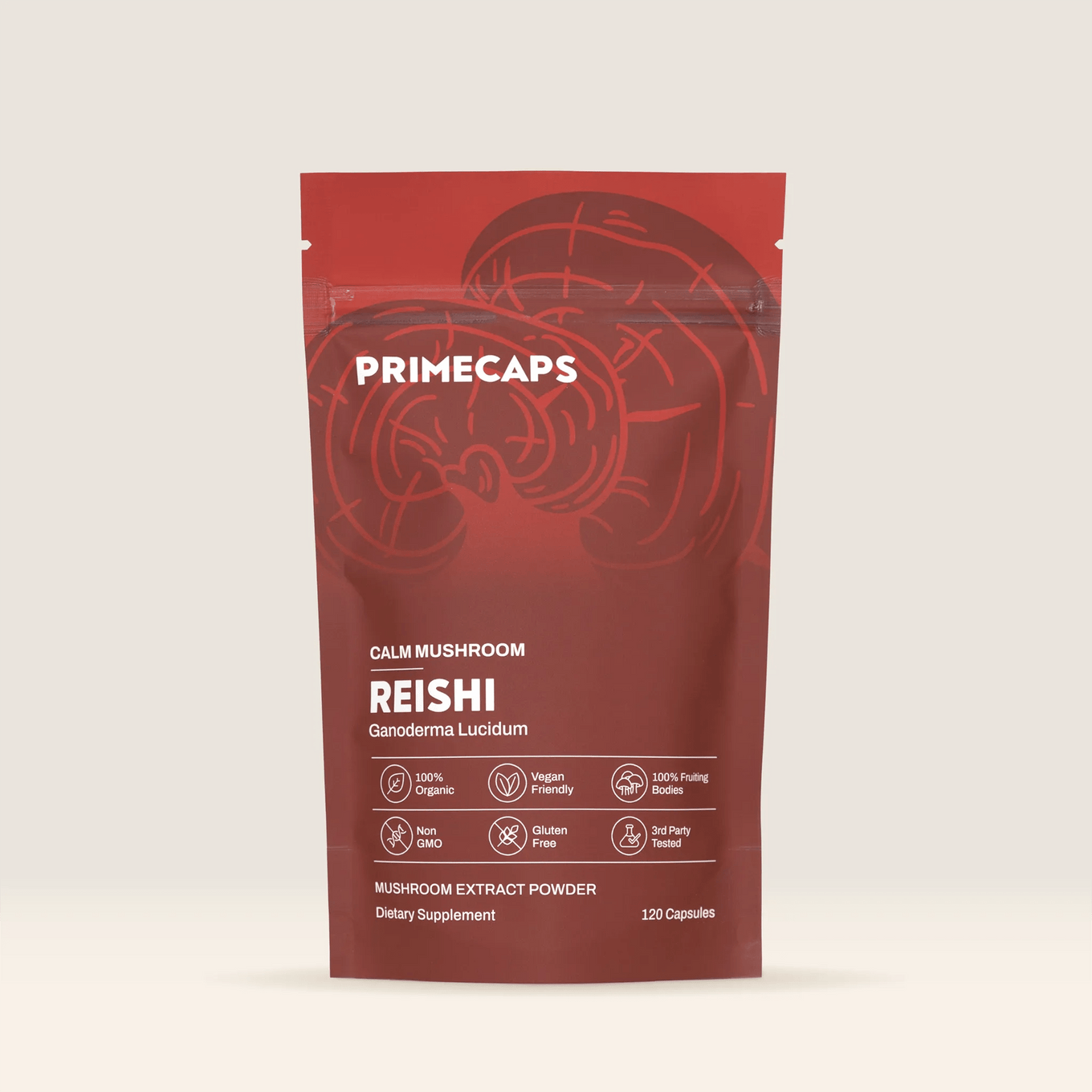

Reishi Organic Mushroom Extract – 120 capsules
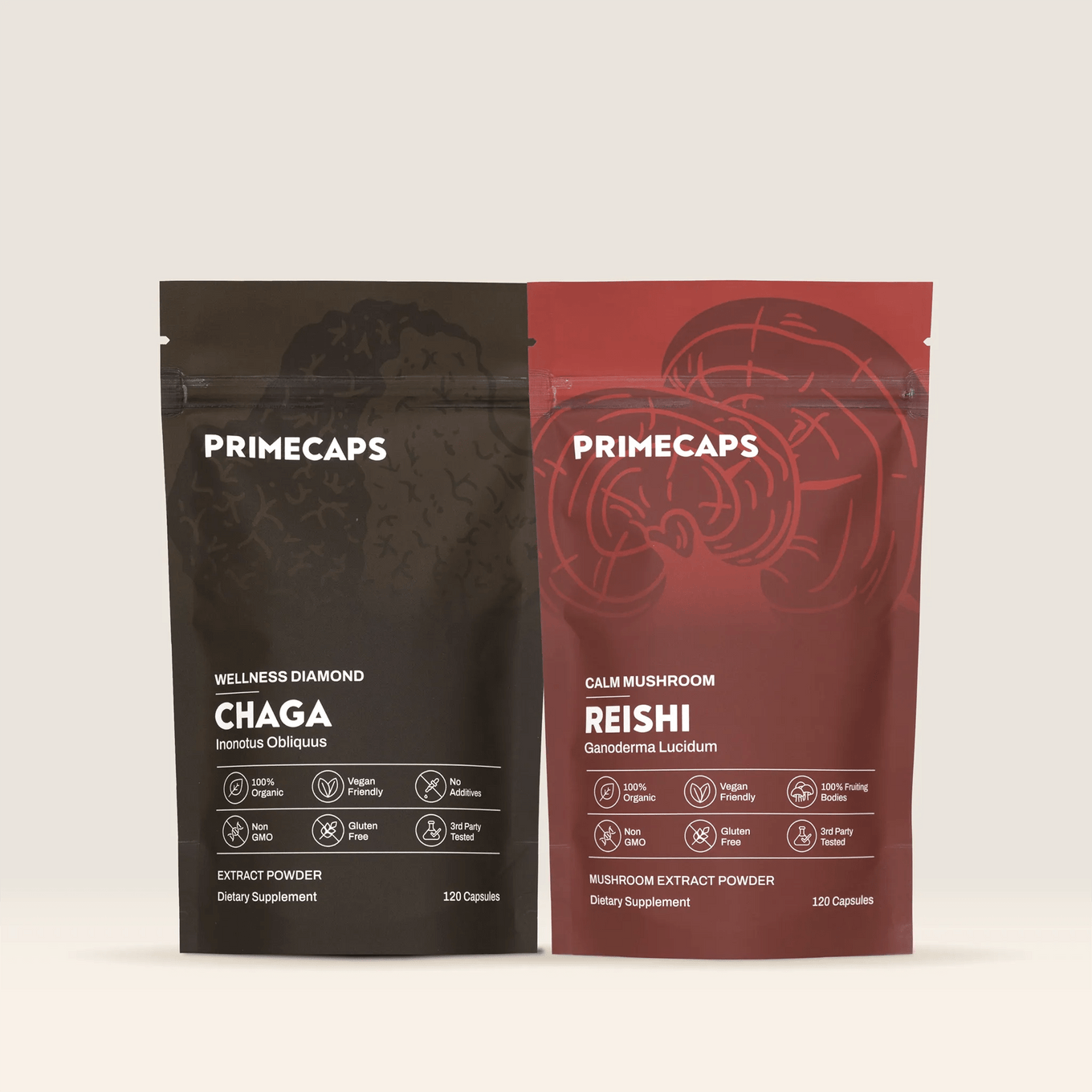

Reishi & Chaga – Deep Defense Kit – 240 capsules
Mushrooms traditionally linked to cognitive and nervous system support are often chosen by those looking to improve concentration, learning, and mental performance.
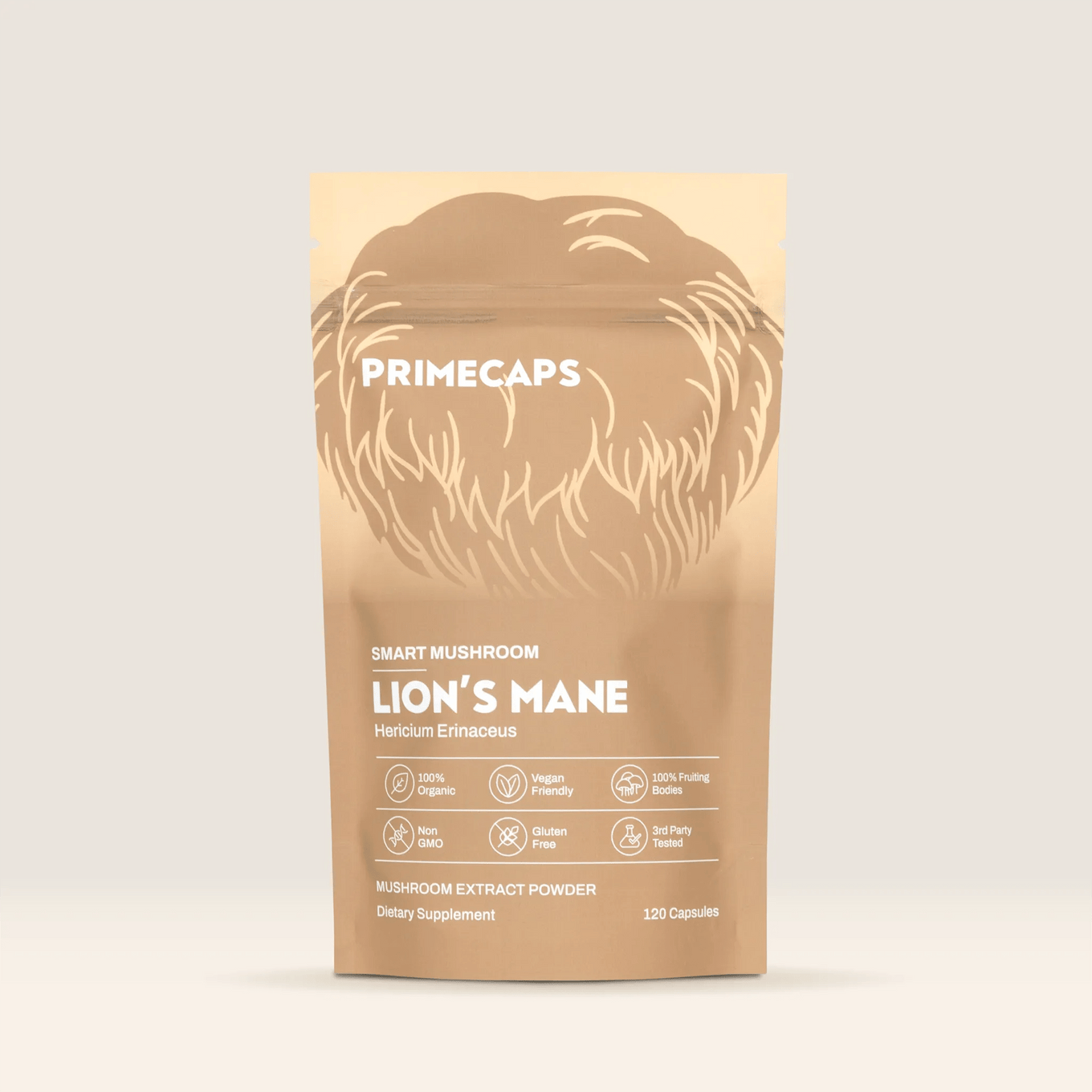
Lion’s Mane Organic Mushroom Extract – 120 capsules
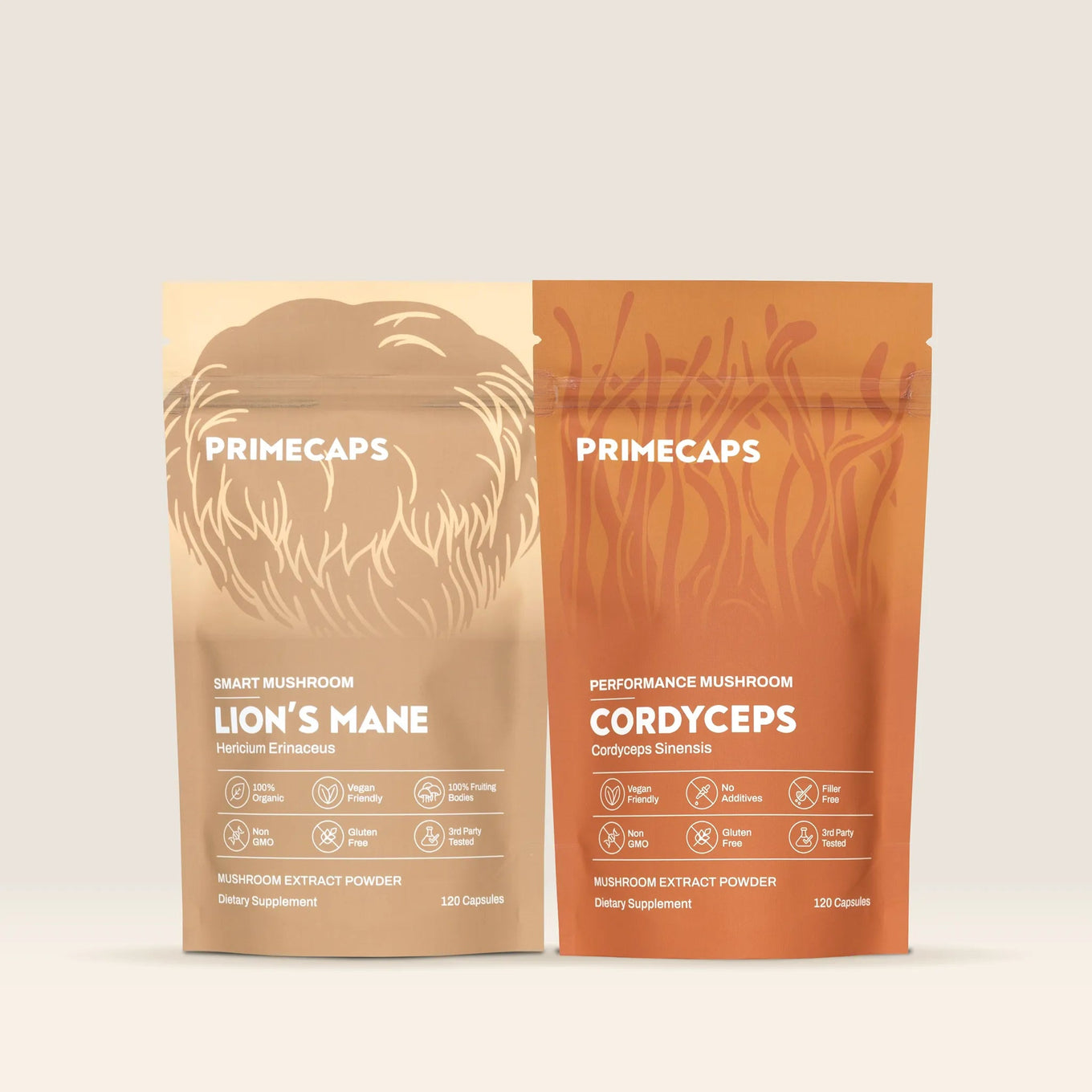

Lion’s Mane & Cordyceps – Brain and Energy kit – 240 capsules
ertain species are traditionally used to support metabolic and gut health and overall vitality.
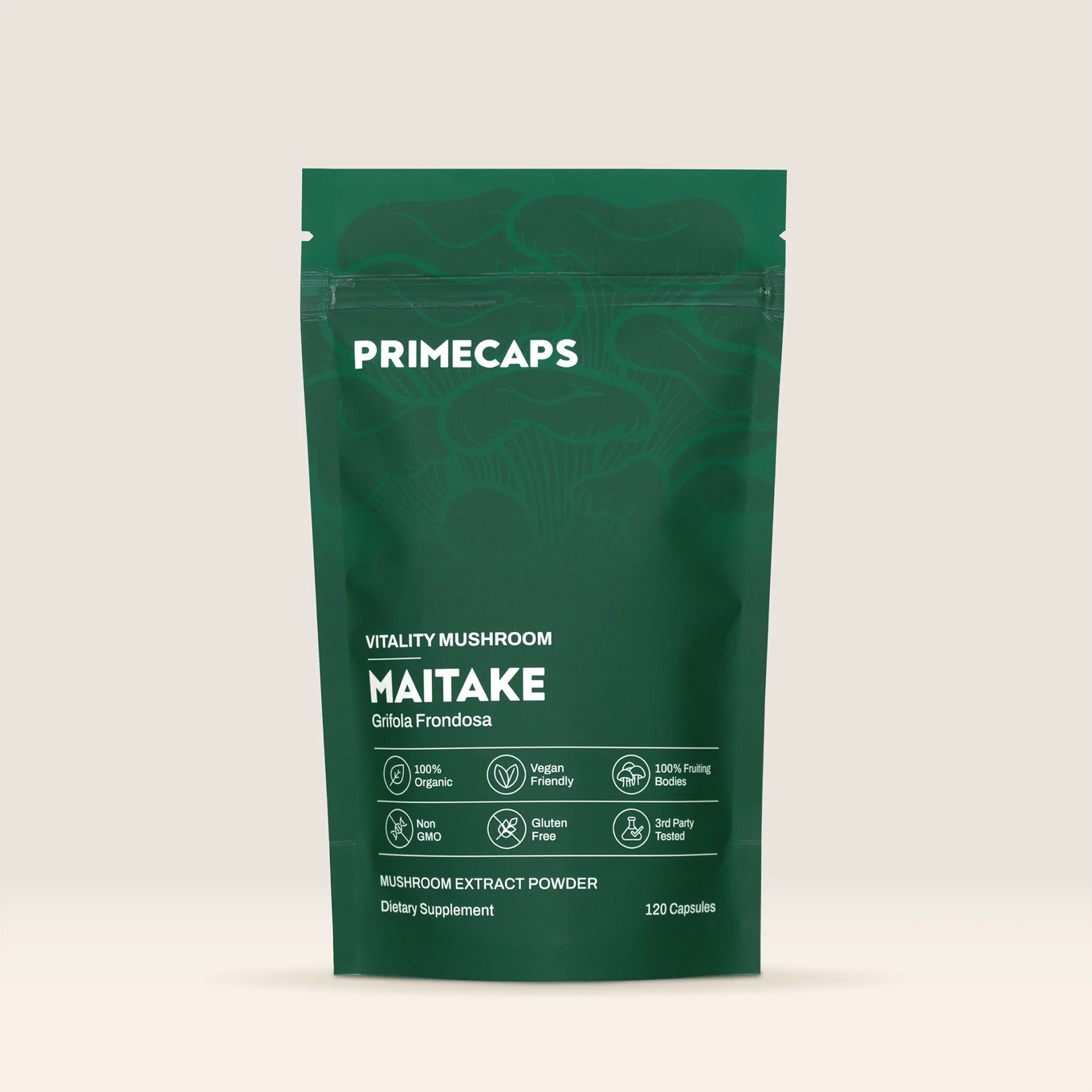

Maitake Organic Mushroom Extract - 120 capsules
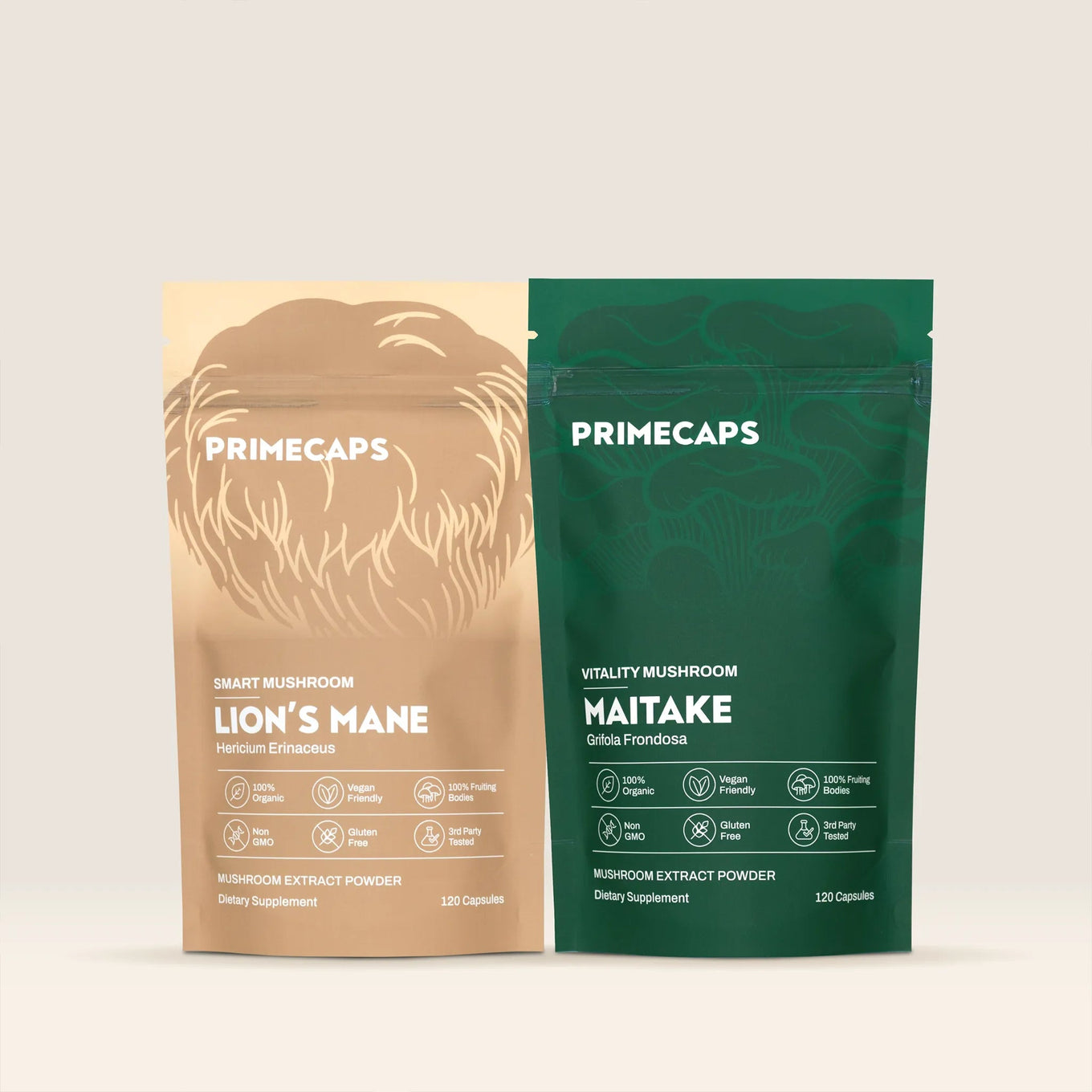

Lion’s Mane & Maitake – Dual Intelligence Kit – 240 capsules
Some mushrooms are associated with natural energy and endurance, supporting stamina without relying on stimulants.
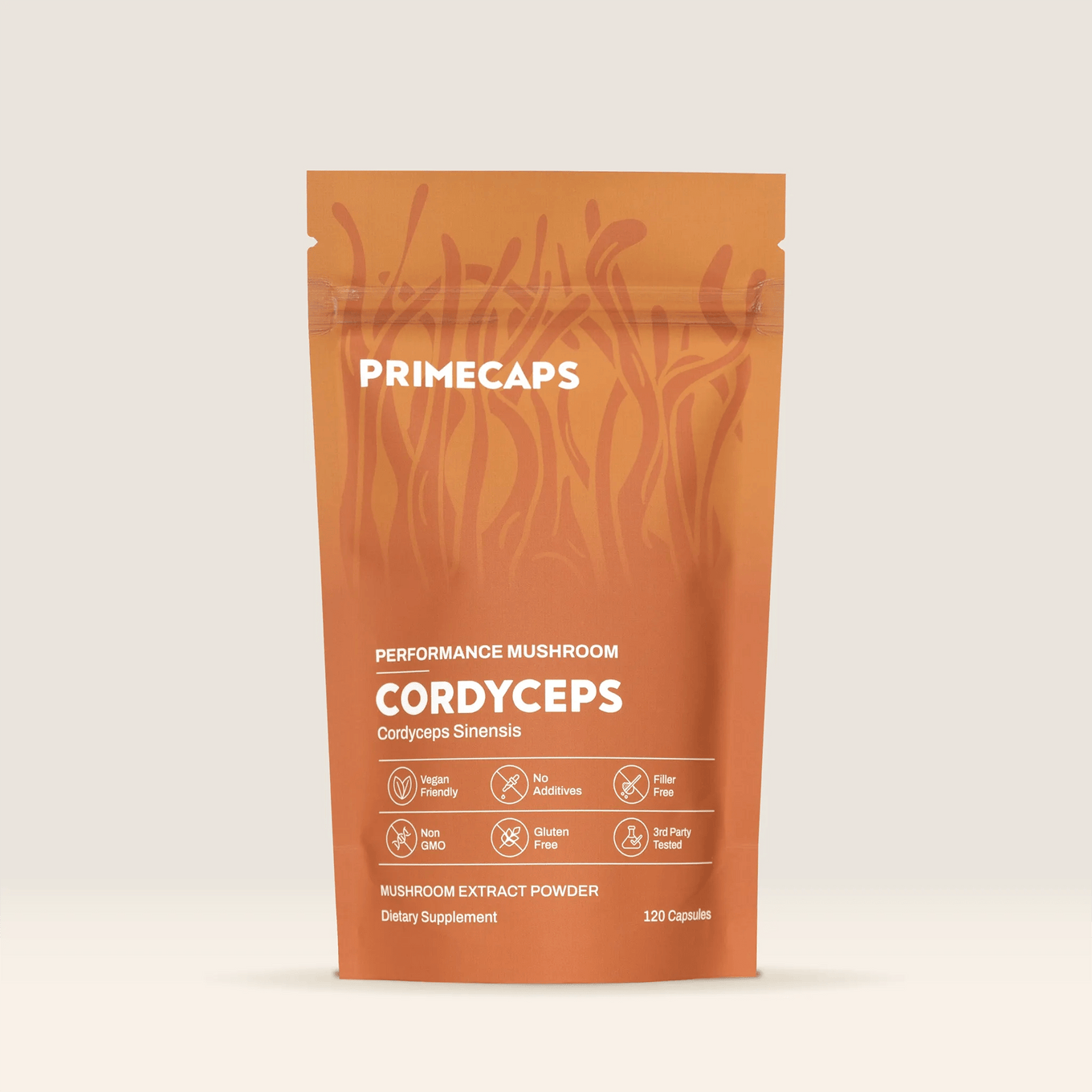

Cordyceps sinensis Mushroom Extract – 120 capsules
Lion’s Mane & Cordyceps – Brain and Energy kit – 240 capsules
High-antioxidant mushrooms that promote cellular protection, immune modulation, and whole-body resilience.
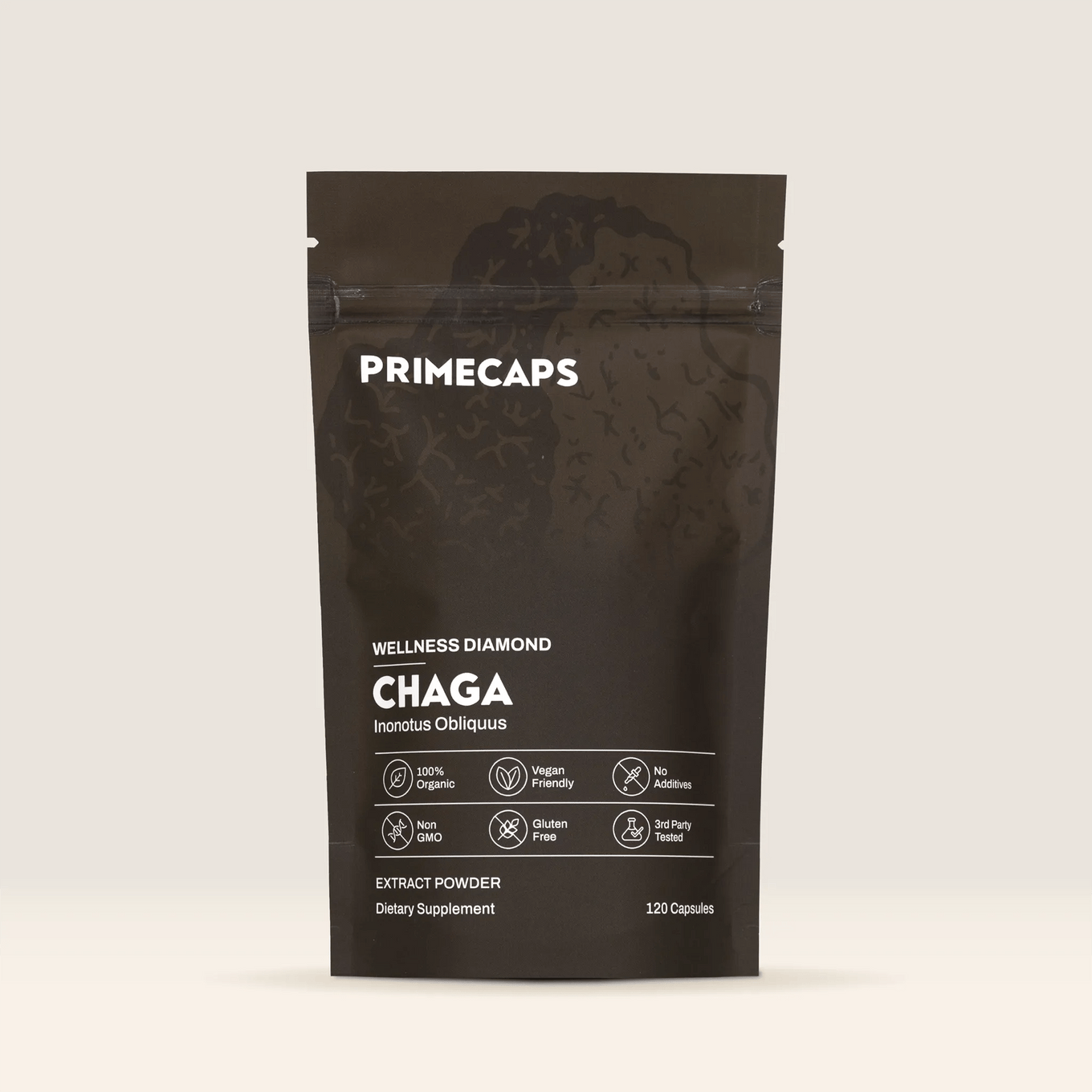

Chaga Organic Extract – 120 capsules
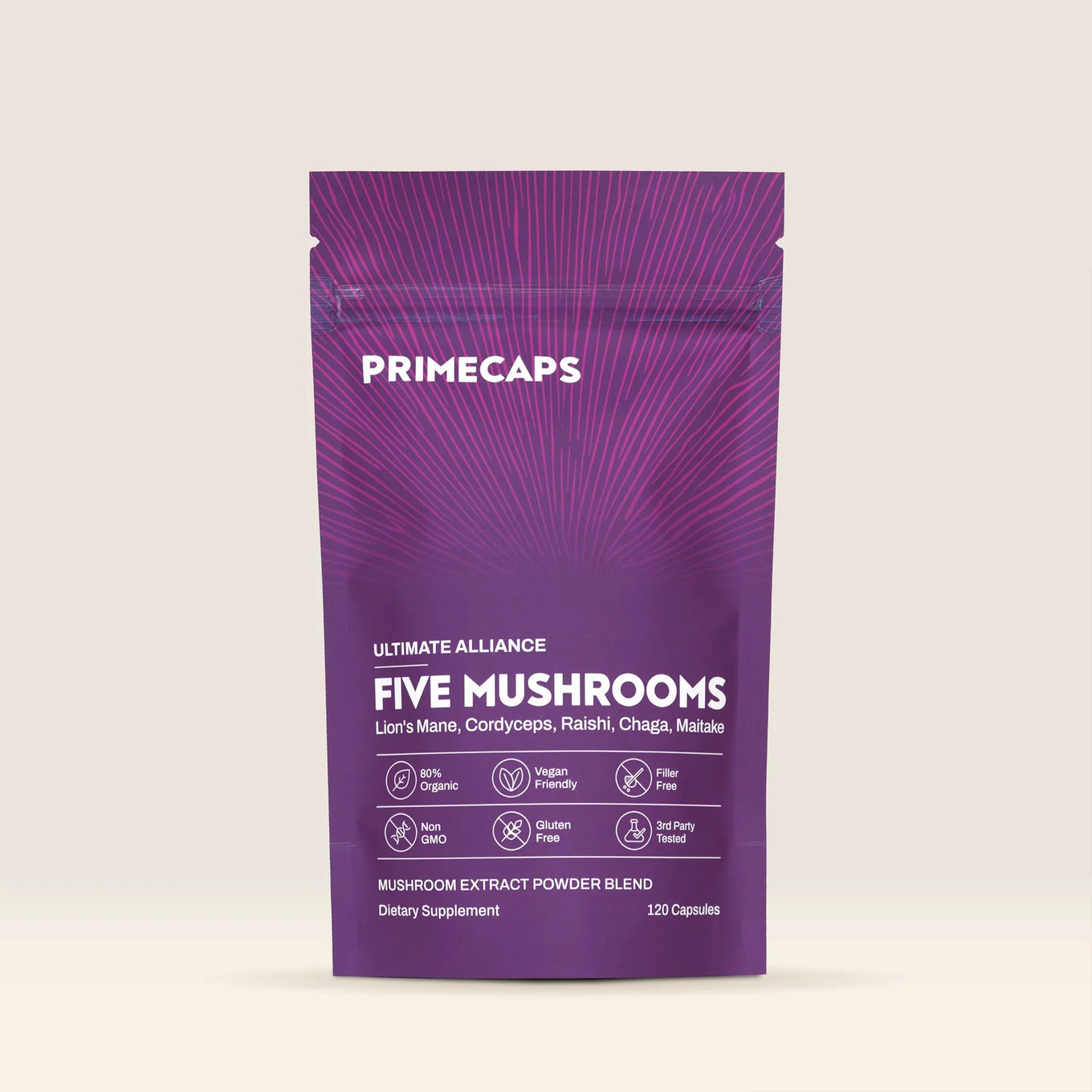

Five Mushroom Extract Blend – 120 capsules
Mushrooms rich in beta-glucans are often chosen to support immune balance and long-term resilience.
Reishi & Chaga – Deep Defense Kit – 240 capsules
Chaga Organic Extract – 120 capsules
A balanced approach works best
Functional mushrooms are not instant fixes. They work best when used consistently as part of a balanced lifestyle that includes good nutrition, rest, and stress management.
Quality also matters. How mushrooms are grown, extracted, and formulated can influence how effectively your body can use their compounds — which is why understanding sourcing and quality standards is just as important as choosing the right species.
Learn more about how quality affects mushroom supplements.
